Professional production of industrial filter joint-stock enterprises.

Maximizing Durability: The Benefits of Using Stainless Steel Filter Elements
Mar 28,2026
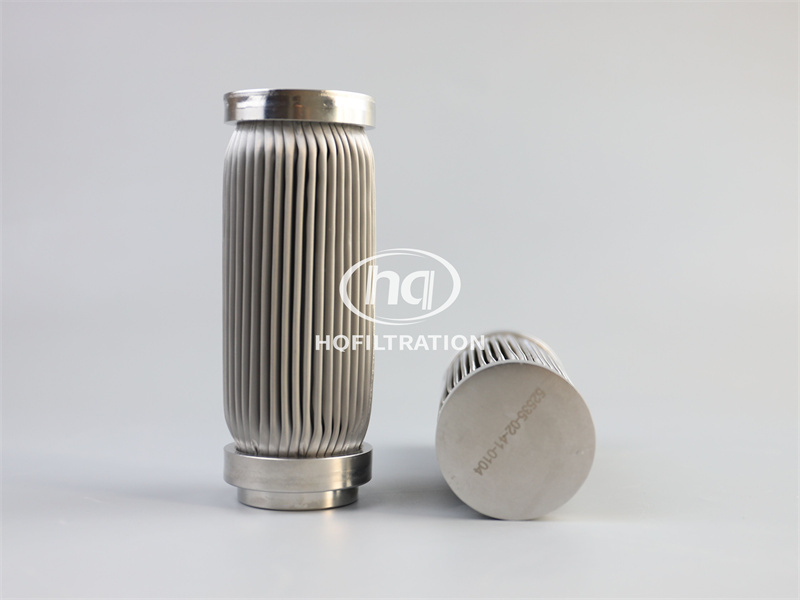
Maximizing Durability: The Benefits of Using Stainless Steel Filter Elements
Introduction to Stainless Steel Filter Elements
Stainless steel filter elements are increasingly recognized as a top choice in industrial filtration systems due to their superior durability and performance. Unlike traditional filter materials, stainless steel offers resilience against harsh environmental conditions, making it ideal for a variety of applications. In this article, we will explore the numerous benefits of using stainless steel filter elements and why they are indispensable for modern industrial processes.
Understanding Filter Elements: What Are They and Why Are They Important?
Filter elements are crucial components in filtration systems, designed to remove contaminants from fluids. They play a pivotal role in maintaining product quality and operational efficiency across various industries, including food and beverage, pharmaceuticals, and manufacturing.
The Role of Filter Elements in Industrial Applications
Filter elements help ensure that machinery operates smoothly by removing particulates and impurities. This not only protects equipment but also enhances the quality of end products. Poor filtration can lead to operational downtime, increased maintenance costs, and compromised product integrity.
The Advantages of Stainless Steel Filter Elements
The utilization of stainless steel in filter elements presents several advantages:
1. Exceptional Durability and Longevity
Stainless steel filter elements boast remarkable durability, making them resistant to wear and tear. They are designed to withstand extreme temperatures and pressures, ensuring a longer lifespan compared to their counterparts made from materials like paper or plastic. This durability translates to fewer replacements, reducing operational costs over time.
2. Corrosion Resistance
One of the standout features of stainless steel is its resistance to corrosion. In environments where moisture and chemicals are present, stainless steel filters maintain their structural integrity and performance. This corrosion resistance is particularly critical in industries such as pharmaceuticals and food processing, where contamination risks are high.
3. High Filtration Efficiency
Stainless steel filter elements ensure optimal filtration efficiency. Their design allows for the removal of fine particles and contaminants, resulting in cleaner fluids and improved product quality. This efficiency is essential not only for maintaining machinery but also for ensuring compliance with industry standards.
4. Ease of Cleaning and Maintenance
Unlike disposable filter elements, stainless steel filters can be cleaned and reused, contributing to a more sustainable approach to filtration. This reusability reduces waste and lowers the cost associated with constant replacements. Cleaning stainless steel filters typically involves backwashing or chemical cleaning, making maintenance straightforward and efficient.
5. Versatility Across Industries
Stainless steel filter elements are versatile and suitable for a wide range of applications, from hydraulic systems to water treatment. Their ability to perform well under various conditions makes them a preferred choice across industries such as automotive, aerospace, and oil and gas.
Applications of Stainless Steel Filter Elements
Stainless steel filter elements find applications in numerous sectors. Here are some key industries where they play a vital role:
1. Oil and Gas Industry
In the oil and gas sector, stainless steel filters are essential for separating particulates from crude oil and gas. Their durability ensures they withstand the harsh conditions often found in drilling operations.
2. Food and Beverage Processing
The food industry demands stringent hygiene standards. Stainless steel filter elements meet these requirements, providing reliable filtration without leaching harmful substances into food products.
3. Pharmaceutical Manufacturing
In pharmaceuticals, maintaining product purity is paramount. Stainless steel filters ensure that only the desired substances pass through, preventing contamination and ensuring compliance with regulations.
4. Water Treatment Facilities
Stainless steel filters are used in water treatment to remove impurities and pathogens, ensuring clean and safe drinking water. Their longevity and resistance to corrosion make them ideal for long-term use in these facilities.
Comparing Stainless Steel With Other Filter Materials
When considering filter materials, it's essential to compare stainless steel with alternatives like paper, plastic, and fiber.
Stainless Steel vs. Paper Filters
Paper filters may be cheaper upfront but lack durability. They require frequent replacement, leading to higher long-term costs. Stainless steel filters offer a more sustainable option, as they can be cleaned and reused.
Stainless Steel vs. Plastic Filters
Plastic filters can degrade under extreme conditions, leading to potential contamination. Stainless steel filters maintain reliability even in challenging environments, making them a safer choice.
Stainless Steel vs. Fiberglass Filters
While fiberglass filters provide good filtration, they are often less durable than stainless steel options. The risk of breaking or degrading over time makes stainless steel the superior choice for critical applications.
Environmental Impact of Stainless Steel Filters
The sustainability of stainless steel filter elements cannot be overlooked.
1. Reusability and Reduced Waste
By opting for stainless steel filters, industries can significantly reduce waste associated with disposable filters. This reusability supports environmental conservation efforts.
2. Lifecycle Analysis
A lifecycle analysis indicates that while the initial carbon footprint of producing stainless steel may be higher, the long-term benefits far outweigh these costs. The prolonged lifespan and efficiency of stainless steel filters contribute to lower overall environmental impact.
Key Considerations When Choosing Stainless Steel Filter Elements
Selecting the right stainless steel filter elements requires careful consideration of several factors:
1. Filter Rating
Evaluate the filter rating or micron size, which indicates the filter's ability to remove specific contaminants. Choose a filter rating that aligns with your application requirements.
2. Compatibility with Fluids
Ensure that the stainless steel filter is compatible with the fluids it will be filtering, especially if there are corrosive elements present.
3. Maintenance Requirements
Consider the ease of maintenance and cleaning procedures associated with the filter to ensure long-term effectiveness and performance.
Installation and Maintenance of Stainless Steel Filter Elements
Proper installation and routine maintenance are crucial for maximizing the benefits of stainless steel filter elements.
1. Installation Guidelines
Follow manufacturer guidelines for installation, ensuring that the filter is positioned correctly to avoid pressure drops and ensure optimal flow rates.
2. Routine Maintenance Practices
Establish a routine maintenance schedule that includes regular inspections and cleaning. This will help identify potential issues early and prolong the filter's lifespan.
The Future of Stainless Steel Filter Technology
As industries evolve, so does filter technology. Innovations in stainless steel filters include advancements in design and materials, enhancing performance and efficiency even further.
1. Smart Filter Technologies
The integration of smart technologies into filter systems allows for real-time monitoring of filter performance. This data-driven approach can lead to proactive maintenance, ensuring optimal operation.
2. Enhanced Filtration Media
Research into improved filtration media and structures promises to enhance the performance of stainless steel filters, catering to increasingly stringent industry demands.
Frequently Asked Questions (FAQs)
1. What is the lifespan of stainless steel filter elements?
The lifespan of stainless steel filter elements can vary depending on the application and maintenance practices, but they often last several years, significantly longer than disposable filters.
2. Can stainless steel filters be cleaned?
Yes, stainless steel filters can be cleaned and reused, making them a cost-effective and sustainable option for industrial applications.
3. Are stainless steel filter elements suitable for all fluids?
While stainless steel filters are versatile, it’s essential to ensure compatibility with the specific fluid being filtered, particularly if the fluid contains corrosive elements.
4. How do stainless steel filters compare in cost?
While the initial cost of stainless steel filters may be higher than disposable options, their durability and reusability often result in lower costs over time.
5. What industries benefit most from stainless steel filter elements?
Industries such as oil and gas, pharmaceuticals, food and beverage processing, and water treatment benefit significantly from the durability and efficiency of stainless steel filter elements.
Conclusion
In conclusion, stainless steel filter elements provide unparalleled advantages in terms of durability, efficiency, and sustainability. Their ability to withstand harsh conditions while offering high filtration efficiency makes them a superior choice for various industrial applications. By investing in stainless steel filters, businesses can enhance their operational efficiency, reduce costs, and promote environmental sustainability. As industries continue to evolve, the importance of reliable filtration solutions like stainless steel filter elements will only increase, making them a critical component in modern industrial processes.
TAG:
PREVIOUS:

Contact Us
E-mail :
sales@hqfiltration.com
Phone/Whtasapp:
+8618300643699
Phone/Whtasapp:
+8615239198219
Address:
A15 Aliyun Innovation Center, Wuzhi, Jiaozuo, Henan. China. 454950

SAF Coolest v1.3.1.2 设置面板 GAGSD-AGYF-JSXAE-FEZ
违禁词: 第一,最,一流,领先,独一无二,王者,龙头,领导者,极致,
无数据提示
Sorry,当前栏目正在更新中,敬请期待!
您可以查看其他栏目或返回 首页