Professional production of industrial filter joint-stock enterprises.

How to Replace Your Servo Valve Filter Element Like a Pro
Dec 23,2025
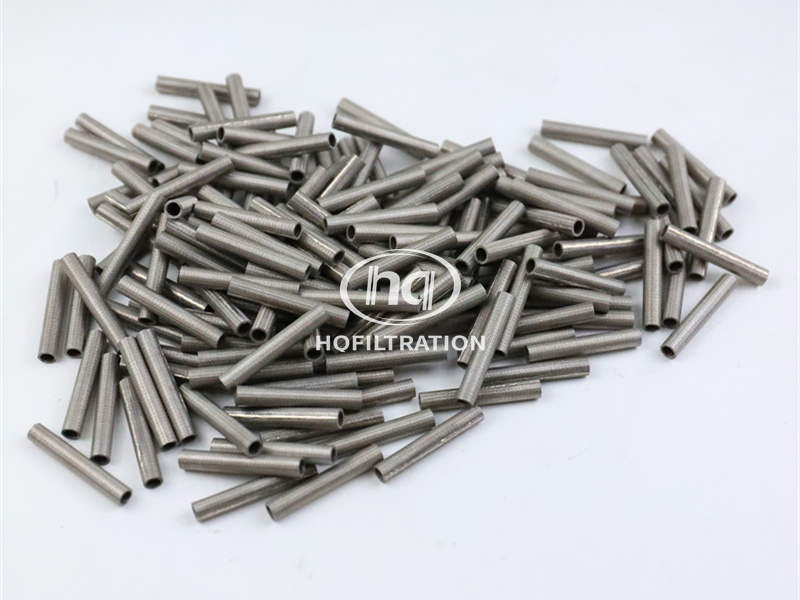
How to Replace Your Servo Valve Filter Element Like a Pro
In the world of industrial equipment, maintaining optimal performance is crucial to ensuring the longevity and efficiency of your system. One key component often overlooked is the servo valve filter element. Replacing this filter element is essential for preventing contaminants from entering your hydraulic system and affecting performance. In this comprehensive guide, we will provide you with all the necessary information to replace your servo valve filter element like a seasoned professional.
Table of Contents
- Understanding Servo Valve Filter Elements
- The Importance of Replacing the Filter Element
- Signs Your Filter Element Needs Replacing
- Step-by-Step Guide to Replacing Your Filter Element
- Gathering the Right Tools and Materials
- Removing the Old Filter Element
- Installing the New Filter Element
- Checking for Leaks and Final Steps
- Common Mistakes to Avoid
- Maintenance Tips for Extended Lifespan
- Frequently Asked Questions
Understanding Servo Valve Filter Elements
The servo valve filter element plays a pivotal role in hydraulic systems, acting as a barrier against dirt, debris, and other contaminants that could compromise the integrity of the fluid. These filter elements are designed to trap particles and ensure that only clean fluid circulates through the servo valve, enhancing system reliability and performance.
The Importance of Replacing the Filter Element
Regular replacement of your servo valve filter element is vital for several reasons:
- Improved Efficiency: A clogged filter can lead to increased pressure and reduced flow rates, negatively affecting system performance.
- Cost Savings: By preventing damage to the servo valve and other critical components, timely filter replacement can save on costly repairs and downtime.
- Increased Longevity: Maintaining a clean hydraulic system directly correlates to the lifespan of your equipment.
Signs Your Filter Element Needs Replacing
Recognizing the signs that your filter element requires replacement is essential in maintaining the health of your servo valve. Here are some common indicators:
- Increased Pressure Drop: A significant rise in pressure readings can indicate a clogged filter.
- Decreased Flow Rate: If you notice a reduction in flow, it may be time to replace the filter element.
- Visible Contamination: Inspect the filter element regularly; visible debris or discoloration is a clear sign of a need for replacement.
- Frequent System Shutdowns: If your equipment is frequently shutting down due to high pressure or flow issues, the filter may be to blame.
Step-by-Step Guide to Replacing Your Filter Element
Replacing your servo valve filter element may seem daunting, but with the right approach and tools, it can be a straightforward process. Below is a detailed step-by-step guide to help you through the replacement.
Gathering the Right Tools and Materials
Before diving into the replacement, it's essential to gather all necessary tools and materials:
- New Filter Element: Ensure you have the correct replacement that matches your servo valve specifications.
- Wrenches: Adjustable wrenches or socket sets to remove the filter housing.
- Clean Cloths: For wiping down surfaces and preventing contamination during installation.
- Container: To catch any residual fluid when removing the filter element.
- Gloves: To protect your hands and maintain cleanliness.
Removing the Old Filter Element
Follow these steps to safely remove the old filter element:
- Ensure that the system is turned off and fully depressurized to prevent any accidents.
- Locate the filter housing, typically found near the servo valve.
- Use the appropriate wrench to loosen and remove the filter housing. Be prepared for some fluid spillage; use a container to catch any residual fluid.
- Once the housing is removed, carefully pull out the old filter element. Inspect it for wear and tear.
Installing the New Filter Element
With the old filter removed, it's time to install the new element:
- Before installing the new filter, clean the filter housing and surrounding area with a clean cloth to eliminate any debris.
- Place the new filter element into the housing, ensuring it fits snugly and is oriented correctly according to manufacturer instructions.
- Reattach the filter housing, tightening it securely with your wrench. Ensure that the seals are properly aligned to prevent leaks.
Checking for Leaks and Final Steps
After installation, it’s crucial to perform a final check:
- Turn on the system and allow it to run for a few minutes, observing for any signs of leaks around the filter housing.
- Monitor pressure and flow rates to ensure they are within normal operating ranges.
- Document the date of replacement for future reference and maintenance scheduling.
Common Mistakes to Avoid
To replace your servo valve filter element like a pro, avoid these common pitfalls:
- Neglecting System Depressurization: Always ensure the system is depressurized to avoid accidents.
- Using Incorrect Filters: Always verify that the new filter matches manufacturer specifications.
- Overtightening Connections: Be careful not to overtighten the filter housing, as this can damage seals and lead to leaks.
- Skipping Maintenance Records: Keep detailed records of replacements to track maintenance schedules effectively.
Maintenance Tips for Extended Lifespan
Implementing a routine maintenance schedule can greatly extend the lifespan of your servo valve and its components:
- Regular Inspections: Check filters and hydraulic fluid regularly to catch issues early.
- Fluid Quality: Use high-quality hydraulic fluids and maintain proper levels to reduce contamination risks.
- Follow Manufacturer Guidelines: Always adhere to recommended maintenance intervals provided by the manufacturer.
Frequently Asked Questions
1. How often should I replace my servo valve filter element?
The replacement frequency depends on usage, but generally, it’s advisable to check and potentially replace the filter every 500 to 1,000 operating hours.
2. Can I clean the filter element instead of replacing it?
While some filter elements are designed for cleaning, most are intended for single use. Always check the manufacturer’s guidelines before cleaning or reusing.
3. What tools do I need to replace the filter?
A simple set of adjustable wrenches, new filter element, clean cloths, and a container for catching residual fluid are all you need.
4. How do I know which filter element to buy?
Consult your equipment’s manual or contact the manufacturer for the specific filter element part number that is compatible with your servo valve.
5. What are the risks of not replacing the filter element?
Failure to replace the filter can lead to system contamination, reduced efficiency, equipment failure, and costly repairs.
Conclusion
Replacing your servo valve filter element is not just a maintenance task; it's an investment in the longevity and efficiency of your hydraulic system. By following the steps outlined in this guide, avoiding common mistakes, and adhering to a routine maintenance schedule, you can ensure your servo valve operates at peak performance. Remember, the key to a well-functioning industrial system lies in proactive maintenance. Equip yourself with knowledge, and you’ll replace your filter element like a pro every time!
PREVIOUS:

Contact Us
E-mail :
sales@hqfiltration.com
Phone/Whtasapp:
+8618300643699
Phone/Whtasapp:
+8615239198219
Address:
A15 Aliyun Innovation Center, Wuzhi, Jiaozuo, Henan. China. 454950

SAF Coolest v1.3.1.2 设置面板 GAGSD-AGYF-JSXAE-FEZ
无数据提示
Sorry,当前栏目正在更新中,敬请期待!
您可以查看其他栏目或返回 首页