Professional production of industrial filter joint-stock enterprises.

How Hydraulic Oil Filter Elements Enhance Machinery Performance
Dec 08,2025
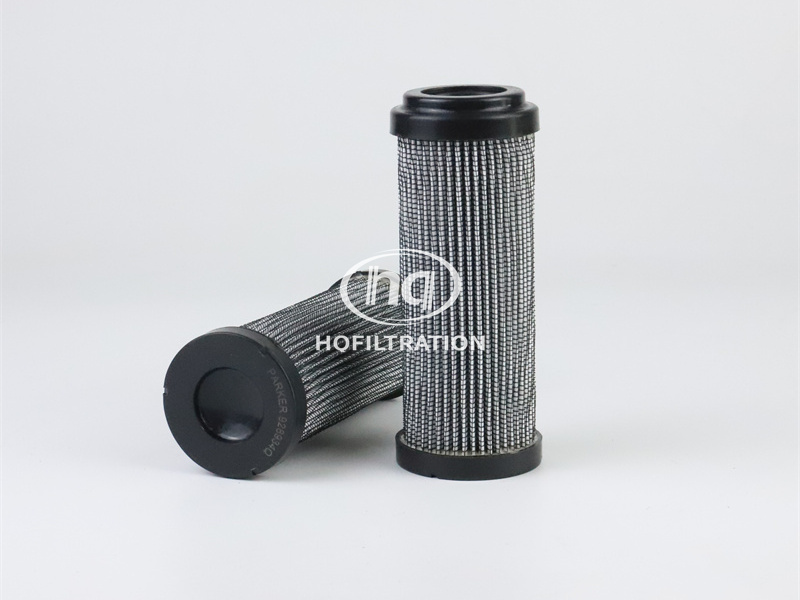
How Hydraulic Oil Filter Elements Enhance Machinery Performance
Table of Contents
1. Introduction to Hydraulic Oil Filter Elements
2. The Importance of Hydraulic Oil Filter Elements
3. Types of Hydraulic Oil Filter Elements
- 3.1 Fine Filter Elements
- 3.2 Coarse Filter Elements
- 3.3 Magnetic Filter Elements
4. How Hydraulic Oil Filter Elements Work
5. The Impact of Filter Elements on Machinery Performance
6. Maintaining Hydraulic Oil Filter Elements for Optimal Performance
7. Troubleshooting Common Issues with Hydraulic Filters
8. Conclusion
9. Frequently Asked Questions
Introduction to Hydraulic Oil Filter Elements
Hydraulic systems are pivotal in the operation of various industrial machinery, from construction equipment to manufacturing robots. A core component of these systems is the **hydraulic oil filter element**. These elements are essential for maintaining the cleanliness and efficiency of hydraulic fluids, which in turn ensures that machinery operates seamlessly. In this article, we will delve into how hydraulic oil filter elements enhance machinery performance, discussing their importance, types, functionality, and maintenance practices.
The Importance of Hydraulic Oil Filter Elements
The hydraulic oil filter element serves a critical function within hydraulic systems. It removes contaminants, such as dirt, metal particles, and other debris from the hydraulic fluid. The primary reasons for the significance of these filter elements include:
- **Prolonged Equipment Life**: Clean hydraulic oil reduces wear and tear on components, leading to a longer lifespan for machinery.
- **Improved Efficiency**: Uninterrupted flow and reduced friction result in enhanced operational efficiency.
- **Cost Savings**: By preventing costly repairs or replacements, effective filtration contributes to lower operating costs.
- **Safety Enhancement**: Clean oil minimizes the risk of failures that could lead to safety hazards in industrial applications.
Types of Hydraulic Oil Filter Elements
Understanding the different types of hydraulic oil filter elements is crucial for selecting the right one for specific applications. Each type offers unique advantages based on the nature of the hydraulic system.
Fine Filter Elements
Fine filter elements are designed to capture very small particles, often below 10 microns. They utilize various filtering media such as pleated paper or synthetic materials. Fine filters are perfect for systems where hydraulic fluid cleanliness is paramount, such as in precise machinery operations.
Coarse Filter Elements
Coarse filter elements are typically used for pre-filtering applications. They can capture larger particles, usually above 100 microns. These filters are commonly installed to protect fine filters and are essential for systems that operate in highly contaminated environments.
Magnetic Filter Elements
Magnetic filter elements utilize magnets to attract and trap ferrous metal particles suspended in hydraulic oil. This type of filtration is particularly effective in reducing wear and tear caused by metal debris, thereby significantly enhancing the performance of hydraulic machinery.
How Hydraulic Oil Filter Elements Work
Hydraulic oil filter elements operate on the principle of **mechanical filtration**. When hydraulic oil circulates through the filter, contaminants are trapped in the filter medium. The effectiveness of the filter depends on several factors:
- **Filter Micron Rating**: The smaller the micron rating, the finer the filtration. However, this may also lead to increased pressure drop.
- **Flow Rate**: The flow rate should match the system's requirements. If the filter restricts flow too much, it can lead to performance issues.
- **Filter Design**: Pleated designs often offer a larger surface area, allowing for better dirt-holding capacity.
Regular monitoring and replacing filter elements are essential to maintaining their functionality and ensuring optimal performance.
The Impact of Filter Elements on Machinery Performance
The performance of hydraulic machinery is heavily influenced by the quality of the hydraulic oil filter elements used. Here are the key performance metrics that are positively affected by effective filtration:
- **Operational Efficiency**: Clean hydraulic oil ensures smooth operation, reducing energy consumption and enhancing productivity.
- **System Responsiveness**: With less contamination, hydraulic systems can respond more quickly to operational demands.
- **Reduced Downtime**: Regularly maintained filter elements prevent sudden equipment failures, reducing both unplanned downtime and maintenance costs.
- **Enhanced Load Handling**: Clean hydraulic systems can handle heavier loads without strain, resulting in improved performance.
Investing in high-quality hydraulic oil filter elements is not just a choice; it’s a necessity for anyone looking to maximize machinery performance.
Maintaining Hydraulic Oil Filter Elements for Optimal Performance
Proper maintenance of hydraulic oil filter elements is crucial for ensuring their effectiveness and longevity. Here are some maintenance best practices:
- **Regular Inspection**: Frequent checks for signs of wear or clogging can help avoid performance issues.
- **Timely Replacement**: Filters should be replaced based on manufacturer recommendations or operational hours. Waiting too long can lead to significant problems.
- **Monitor Oil Quality**: Regularly test hydraulic oil for contaminants to determine when to change the filter.
- **Clean Surrounding Areas**: Ensure that the area around the filter is clean to prevent dirt from entering the hydraulic system during maintenance activities.
By adhering to these maintenance practices, you can ensure that your hydraulic oil filter elements perform optimally, contributing to the overall health of your machinery.
Troubleshooting Common Issues with Hydraulic Filters
Understanding potential issues with hydraulic filters can help prevent operational disruptions. Common problems include:
- **Increased Pressure Drop**: A significant rise in pressure drop across the filter indicates a clog or blockage. This often necessitates immediate replacement.
- **Fluid Contamination**: If oil quality tests indicate high levels of contamination despite recent filter changes, it may suggest upstream contamination.
- **Bypass Valve Activation**: When the filter becomes too clogged, some systems activate a bypass valve, allowing unfiltered oil to flow. Regular checks are crucial to avoid this situation.
Training personnel to recognize these symptoms can enable quicker responses and better maintenance.
Conclusion
In summary, hydraulic oil filter elements are fundamental to enhancing machinery performance and increasing the longevity of industrial equipment. They play a critical role in ensuring operational efficiency, reducing costs, and enhancing safety. By understanding the types of filters available, their functionality, and adhering to maintenance practices, operators can significantly improve machinery performance. Ultimately, investing in high-quality hydraulic oil filter elements is key to achieving reliability and efficiency in any hydraulic system.
Frequently Asked Questions
1. How often should hydraulic oil filter elements be replaced?
The replacement frequency depends on the manufacturer's recommendations, operational hours, and the working environment. Regular inspection is crucial for determining the best schedule.
2. What happens if I don’t replace the hydraulic oil filter?
Failure to replace the filter can lead to increased contamination in the hydraulic fluid, resulting in equipment wear, system failures, and potential safety hazards.
3. Can I clean hydraulic oil filter elements?
While some filter elements can be cleaned and reused, many are designed for single use. Refer to the manufacturer's guidelines to determine if cleaning is appropriate.
4. What are the signs of a clogged hydraulic oil filter?
Signs include increased pressure drop, reduced system performance, unusual noises from the hydraulic system, and fluid contamination tests showing high particulate levels.
5. Are there specific filters for different hydraulic systems?
Yes, different hydraulic systems may require specific types of filters based on operating conditions, fluid types, and cleanliness standards. Always consult system specifications and manufacturer recommendations.
By maintaining a focus on the importance and effectiveness of hydraulic oil filter elements, operators can ensure optimal machinery performance and operational success.
TAG:
PREVIOUS:

Contact Us
E-mail :
sales@hqfiltration.com
Phone/Whtasapp:
+8618300643699
Phone/Whtasapp:
+8615239198219
Address:
A15 Aliyun Innovation Center, Wuzhi, Jiaozuo, Henan. China. 454950

SAF Coolest v1.3.1.2 设置面板 GAGSD-AGYF-JSXAE-FEZ
违禁词: 第一,最,一流,领先,独一无二,王者,龙头,领导者,极致,
无数据提示
Sorry,当前栏目正在更新中,敬请期待!
您可以查看其他栏目或返回 首页