Professional production of industrial filter joint-stock enterprises.

The Essential Role of Hydraulic Filters
Nov 17,2025
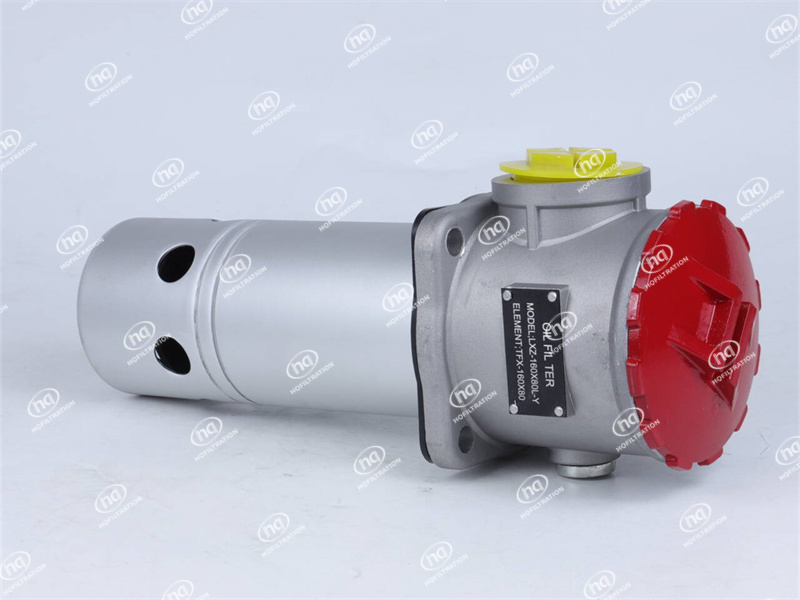
Hydraulic filters are integral components in the operation of hydraulic systems, which are used extensively across various industrial applications. Their primary function is to remove contaminants from hydraulic fluids, which can include dirt, metal particles, and other impurities. By ensuring that the hydraulic fluid remains clean, these filters play a vital role in maintaining the efficiency and longevity of hydraulic machinery.
Hydraulic filters come in various types, each designed for specific applications and filtering requirements. The most common types include suction filters, return line filters, and pressure filters. Suction filters are typically installed in the tank or reservoir and prevent contaminants from entering the hydraulic pump, which is crucial for maintaining optimal pump performance. Return line filters are placed in the return line of the hydraulic circuit and serve to clean fluid before it re-enters the tank, while pressure filters are used in high-pressure applications to ensure that only clean fluid reaches critical components.
One of the key benefits of using hydraulic filters is the protection they offer to hydraulic pumps and motors. Contaminated hydraulic fluid can lead to wear and tear, resulting in costly repairs and downtime. By employing hydraulic filters, businesses can minimize the risk of damage, enhance equipment reliability, and ultimately save on maintenance costs.
Effective filtration is particularly important in environments where machinery is exposed to high levels of dust, dirt, and other contaminants. For example, construction sites, manufacturing facilities, and mining operations often face challenges related to fluid contamination. Implementing a robust hydraulic filtration system can help overcome these challenges, ensuring that machinery operates smoothly even in harsh conditions.
Additionally, regular maintenance and timely replacement of hydraulic filters are essential to ensure optimal performance. Neglecting to replace filters can lead to clogging, which impedes fluid flow and increases pressure within the hydraulic system. This not only reduces efficiency but can also pose safety risks. Therefore, it is vital for professionals to monitor filter conditions and adhere to maintenance schedules.
In summary, hydraulic filters are crucial for the effective operation of hydraulic systems in various industrial settings. They protect against contamination, enhance performance, and contribute to the longevity of machinery. Understanding the types and applications of hydraulic filters empowers professionals to make informed decisions about system maintenance and upgrades, ultimately driving operational efficiency and productivity within their organizations.

Contact Us
E-mail :
sales@hqfiltration.com
Phone/Whtasapp:
+8618300643699
Phone/Whtasapp:
+8615239198219
Address:
A15 Aliyun Innovation Center, Wuzhi, Jiaozuo, Henan. China. 454950

SAF Coolest v1.3.1.2 设置面板 GAGSD-AGYF-JSXAE-FEZ
无数据提示
Sorry,当前栏目正在更新中,敬请期待!
您可以查看其他栏目或返回 首页